Mother's Day Restaurant Marketing: A Practical Guide for 2026
Mother's Day is the busiest dining weekend of the year and the rare moment when most of your guests are strangers. A practical playbook for SG, MY, and AU operators: menus, deposits, guest capture, and the 30-day follow-up that actually converts.
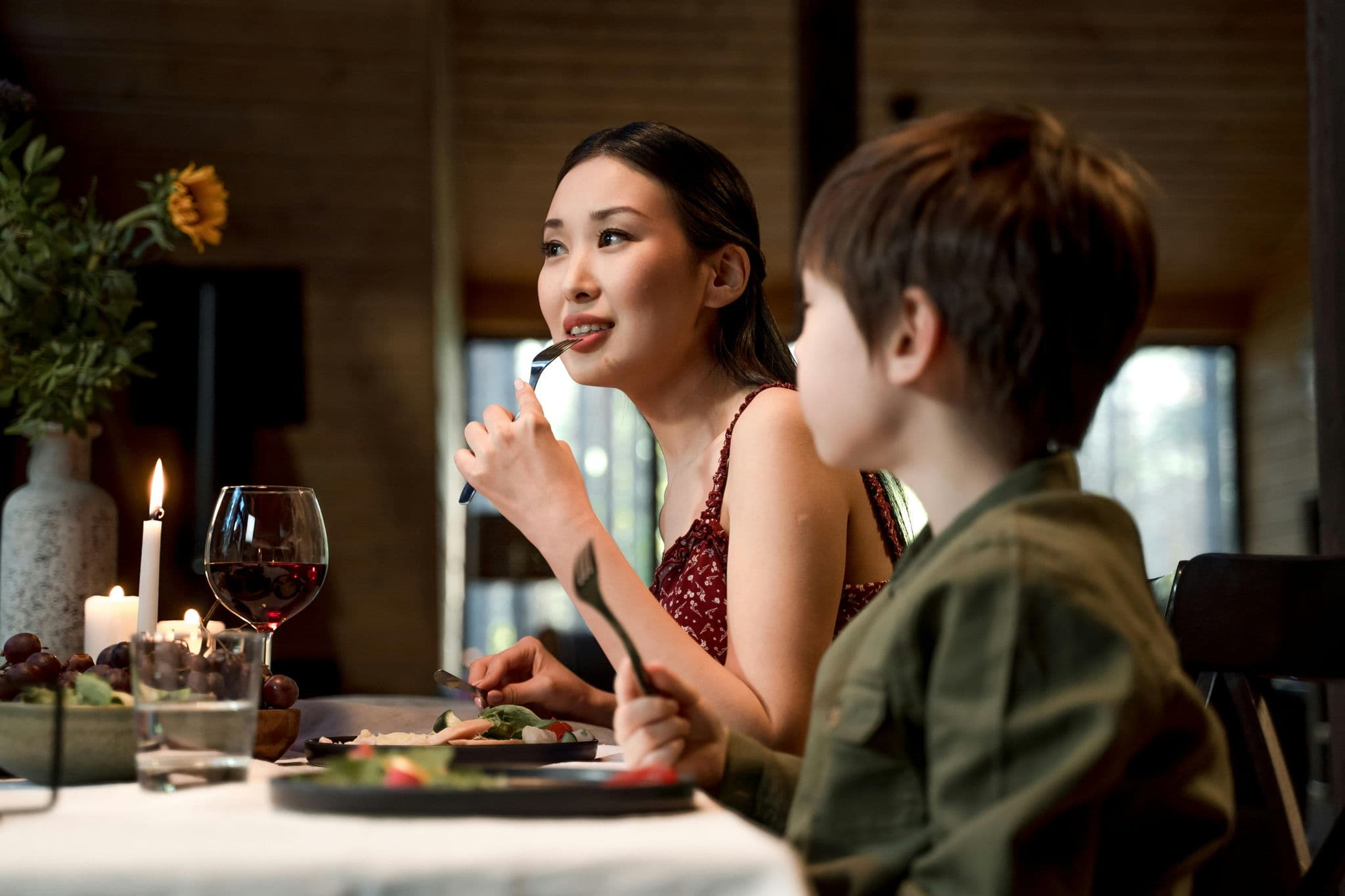
You've probably already taken the first Mother's Day booking of the year, and the phone hasn't stopped since. Good. Now the question is whether the work you do in the next three weeks turns Mother's Day into a guest acquisition weekend, or just another expensive Sunday.
This is a guide for restaurant owners planning Mother's Day restaurant marketing in Singapore, Malaysia, and Australia, where Mother's Day 2026 falls on Sunday, 10 May. In the UAE, the date is 21 March 2026 — if that's your market, plan sooner, but the tactics are the same. The UK's Mothering Sunday (15 March 2026) sits on a different calendar entirely and isn't the focus here.
The point of this piece: Mother's Day brings you a year's worth of first-time and annual-only guests in a single weekend. If you capture them properly and follow up, one booking becomes three visits. If you don't, you run a busy Sunday and wonder why the rest of May looks the same as April.
Three moves. Plan the rush. Capture the surge. Keep them coming back.
Why Mother's Day is different from any other service
Mother's Day is consistently the busiest dining day of the year, and it's not close. According to Toast's 2024 data, same-store gross merchandise value runs 52% higher on Mother's Day than a regular Sunday. Average ticket is up 32%. Transaction volume is up 14%. Dessert orders jump 66%, steak and seafood climb even more.
Behavioural patterns matter just as much as the revenue. OpenTable data shows 59% of Mother's Day bookings are made at least four days in advance — and 29% of families panic-book within 24 hours of the day. More than half of bookings (53%) fall in the brunch window, 10am to 4pm. The 10am slot alone grew 19% year-on-year in 2024. Most parties are between three and six guests, and 60% include children under 18.
One more pattern worth planning around: 66% of guests celebrate multiple times over the Mother's Day weekend — a Saturday dinner, a Sunday brunch, a takeaway for nan. This is not one busy Sunday. It's a three-day demand surge with a narrow booking window and a wide guest mix. The restaurants that plan for the weekend, not the day, make the numbers work.
Oddle Email Marketing System
Reach more diners and drive repeat visits with Oddle's restaurant email marketing system. Create targeted campaigns, automate follow-ups, and boost direct orders — all from one platform.
Plan the rush — menu, reservations, and staffing
Design a menu that can actually run on Mother's Day
A pared-down set menu is almost always the right call. Kitchen throughput is the constraint on Mother's Day, not creativity. A tight prix fixe — three courses, one choice per course from two or three options — cuts prep variance, speeds pass times, and gives your servers a script that works.
Offer both brunch and dinner. Brunch drives the volume (remember, 53% of bookings sit in that 10am–4pm window), but dinner averages higher ticket. A Singapore operator running an Italian concept might run a SGD $88++ three-course set lunch (11am–3pm) and a SGD $148++ four-course set dinner (6pm–9pm), each with an optional wine pairing add-on. Easy to market, easy to price, easy to cook.
What are guests ordering? Mother's Day menus over-index hard on steak (+88% YoY), seafood (+83%), pasta (+77%), and dessert (+66%). Work those into the set. One vegetarian main covers most tables without a second menu. A dessert worth sharing pays for itself in the photos the party posts.
A small free touch at the end of the meal — a single rose, a small dessert for mum, a glass of prosecco — costs almost nothing and lands far more than a discount. Wholesale prosecco at roughly SGD $8 a bottle yields six glasses. SGD $1.30 per mum for a moment she remembers.
Open reservations early and take deposits
If you're not taking bookings for 10 May yet, you're already behind. Open four to six weeks out at minimum. The 59%-book-ahead behaviour means early openers catch demand that would otherwise go to your competitor down the road.
Take deposits. On Mother's Day, a no-show costs you twice: once for the empty table, once for the walk-in you turned away because the table was held. OpenTable's data is clear — guests who book with a card hold are roughly 16% less likely to no-show and 15% less likely to cancel late.
This is what Oddle Reserve is built for. You can take a deposit that goes toward the final bill, hold a card that only charges on no-show, or sell your set menu as a ticket upfront so the revenue is banked before service. Confirmation emails go out automatically with your cancellation window spelled out (48 hours is standard for peak days like this one).
A quick economics check. A SGD $88++ prix fixe for a table of four is SGD $352 of revenue. A 10% deposit is SGD $35.20 per table. Protect one no-show a year and the deposit tech has paid for itself many times over.
Staff like it's the busiest day of the year, because it is
Put your strongest servers on. Don't schedule anyone who started in the last three weeks. Brief your team on pacing — guests linger longer on Mother's Day than a normal service, so expect slower turn times and plan covers accordingly.
Put one person on the phone and the booking system all day. They'll handle the panic-bookers (remember, 29% book inside 24 hours) and they'll catch the large-party changes that always happen. Call the groups of six or more an hour before their slot to reconfirm. Five minutes each; saves a no-show table worth four figures.
Kitchen prep starts Thursday, not Sunday. Par-cook what you can. A tight menu is your friend.
Capture the surge — most of these guests are strangers
Almost every Mother's Day guide misses this part. The people sitting at your tables on 10 May are mostly not your regulars. They're annual guests, first-timers brought by a son or daughter, the family who booked the nice restaurant because it was mum's favourite ten years ago. They are exactly the guests you want to know.
The problem: most restaurants only capture one record per reservation. The booker gives their email, their phone, and disappears from your data alongside their party of four. The other three guests? Anonymous. Same story with most loyalty programmes — one person at the table signs up, the rest walk out unnamed. That's the industry norm.
This is where Enrolments changes the maths. An NFC block on the table, or a QR code on the menu, lets every guest check in individually. A first-timer taps and shares their name, number, and (if you enable it) their birthday. They answer two quick questions — whether they live or work nearby, and how they discovered you. That's targeting data you can't get from a receipt.
Run the numbers. An outlet with 40 Mother's Day tables at an average party size of 3.5 has 140 guests in the building. Most restaurants leave with 40 new contacts. A table-level check-in programme leaves with closer to 140 — a 3.5x multiplier on the same covers.
The guests who can't get a table are a segment too
The 29% who panic-book within 24 hours often don't get their first choice. Some of them will book somewhere else. Others will pivot to cooking at home — and will happily pay for a chef-prepared bundle instead. This segment is large and underserved.
A Mother's Day pre-order bundle on your own webstore covers them without the delivery-platform tax. Something like: "Mother's Day brunch for four — SGD $128, pickup Saturday 10–11am or Sunday 10–11am." Two pickup windows spread the kitchen load, you have full margin because there's no platform commission, and you capture the guest as a known contact for next time.
This is what Oddle Shop is for — a commission-free webstore on your own domain where guests pre-order and pay, and the order lands in your system as a known guest. Compare that to a delivery app taking 25–35% of the same order, and the margin difference on a weekend like this pays for the platform for the year.
Promotions and ideas worth actually running
A quick reality check. Most competitor articles list 15 or 22 promotional ideas. You will not run 22. Pick two or three, and execute them well.
Mother's Day restaurant promotions that genuinely work:
- Gift card bonus. Sell a SGD $100 gift card between mid-April and Mother's Day and include a SGD $20 bonus card that activates after. The original is the gift; the bonus is a scheduled second visit. A portion of gift cards go unredeemed (pure margin), and the ones that do get redeemed bring the guest back in June. It's one of the quietly best tactics of the weekend.
- A flower on the way out. Partner with a neighbourhood florist. One stem per mum, handed over with the bill or at the door. Wholesale cost per stem is under a dollar in most Asian markets. It shows up in every Instagram story the party posts. Extends your reach without a paid ad.
- Family meal bundle for pickup. A set family bundle with two pickup windows. Extends capacity without adding covers.
- A cross-promotion with one local business. One, not five. A florist, a bakery, a wine shop. Share audiences with a complementary brand whose customers look like yours. Low effort; expands reach.
- Extend the offer across the weekend. Saturday lunch, Saturday dinner, Sunday brunch, Sunday dinner — run the set across all of it. 66% of guests plan to celebrate more than once. Give them four chances to choose you.
What not to do: avoid deep discount promotions. Mother's Day is a full-margin day, not a fill-the-restaurant day. If your tactic is "20% off", you're fighting for the wrong guests.
Marketing the weekend — where your promotion actually gets seen
You have four channels worth using. Email first. Social second. Google and in-store round it out.
Email moves tables. Restaurants running active email programmes see open rates of 25–40%, well above the 20% industry average. The key is the sequence. One blast doesn't fill the weekend; a three-email sequence does.
- Four weeks out: teaser email. "Mother's Day is coming. Here's what we're doing." Soft CTA to save the date.
- Two weeks out: details email. Menu, price, booking link, pickup bundle option. This is the email that books tables.
- Three to five days out: last call. "A few tables left for Sunday." Short, urgent, direct.
Segmentation matters. A Mother's Day email to everyone on your list is fine, but the version targeted at specific audiences converts harder. Past guests from last year's Mother's Day. Guests who live nearby (captured via your check-in programme). Gift card holders from the last 12 months.
This is where connected guest data earns its keep. Oddle's Marketing triggers emails on actual dining behaviour — past reservations, past orders, upcoming birthdays — rather than time schedules. You can segment by "dined last Mother's Day" specifically, send them the first email four weeks out, and skip the rest of the list. Higher relevance, less noise, better numbers.
Social. Two posts, not ten. One 10 days out with a photo of the food (not a menu PDF). One three days out with a photo of the room on a previous Mother's Day, with guests in it. Booking link in bio. Don't make them DM you to book.
Google Business Profile. Free. Update your hours for 10 May, add a fresh photo from last year, and write a short post in the Updates section about your Mother's Day menu. Half of local searches happen on Google Maps. Most operators forget this exists.
In-store. An A5 card on every table from mid-April onward, with a QR to your reservation page. The guests already sitting in front of you this week are the highest-conversion audience for Mother's Day. They've chosen you once in the last fortnight. They will likely choose you again, if you ask.
Keep them coming back — the 30 days after Mother's Day
Most restaurants stop thinking about Mother's Day at closing on Sunday night. The ones that turn one visit into three keep working for 30 days.
Here's the post-weekend sequence that actually matters.
Day +1: the thank-you email. Send it the morning after. Keep it short. One link — either a Google review prompt or a small next-visit offer. Not both. Pick the one that matters more to you this month.
Day +7: the local follow-up. For guests who checked in through Enrolments and said they live or work nearby, send a warm, low-pressure email. "Glad you came in for Mother's Day. Here's our weekday lunch set if you're back in the area." This is the single highest-converting post-event audience because they're physically close and they already know your food.
Day +14: Father's Day is five weeks out. The guests who came in for Mother's Day are the single most likely segment to come back for Father's Day. Seed the booking now. One short email: "Booking Father's Day next. Here's the menu. First come, first seated."
Day +30: the lapsed guest flow. For anyone who hasn't returned in 30 days, a gentle nudge. If your email tool can trigger on actual dining behaviour rather than time, the system handles this automatically for every guest, every day, forever.
The operator economics on this loop are where Mother's Day actually pays off. Winning back a known guest through email costs next to nothing per send. Getting a new guest through a delivery platform costs 25–35% of every order, forever. The 30-day follow-up is where your margin shows up.
None of this works if your reservation data, check-in data, and email tool live in separate systems. One profile per guest. One tool that triggers on dining events. That's the setup.
Mother's Day 2026 quick checklist
A simple week-by-week sprint. Adapt the dates to your market (10 May for SG/MY/AU).
- 6 weeks out (by end of March): menu locked, reservations open, deposit policy set, Mother's Day email sequence drafted, pickup bundle live on your webstore.
- 4 weeks out (mid-April): teaser email sent. First social post. In-store table cards up. Google Business Profile updated.
- 2 weeks out (end of April): details email sent. Staff briefed on flow. Large parties confirmed by phone.
- 1 week out (early May): last-call email. Pre-order cut-off announced. Kitchen par-prep begins.
- 3 days out: final reminder to booked guests. Staff reconfirmed. Florist, wine, and gift cards prepped.
- 10 May (or your market's date): strongest team on. Enrolments NFC or QR on every table. One person on the phone for day-of bookings and changes.
- Day +1: thank-you email fires. Review prompts out.
- Days +7 to +30: local follow-up, Father's Day seed, lapsed-guest automation running.
Frequently asked questions
When should I open Mother's Day reservations?
Four to six weeks before the day, at a minimum. OpenTable data shows 59% of Mother's Day bookings are made at least four days in advance, and a meaningful share come in three or four weeks out. If you wait until two weeks before, you miss the committed planners and end up competing for the panic-bookers. Open early, take deposits where you can, and start your email sequence four weeks ahead.
Should I offer a prix fixe menu or à la carte on Mother's Day?
A prix fixe set menu is almost always the right call. It helps the kitchen pace through a predictable rush, simplifies the guest's decision, and lets you price in a small free touch (dessert, flowers, a glass of prosecco) without losing margin. Offer one set for lunch and one for dinner, and consider a family-style option for larger parties.
How do I reduce no-shows on Mother's Day?
Take a deposit or a card hold. OpenTable's research shows guests who book with a card hold are roughly 16% less likely to no-show. Make the policy clear in the booking confirmation. For larger parties of six or more, call to reconfirm an hour before the reservation. Both steps together cut no-shows meaningfully on the one day of the year where an empty table is most expensive.
Brunch or dinner — which is busier on Mother's Day?
Brunch drives more bookings; dinner drives higher ticket. 53% of Mother's Day bookings fall between 10am and 4pm. The 10am slot has grown 19% year-on-year. Dinner still matters — especially for adult-only tables and higher-spend sets — but if you only have capacity for one, brunch captures more demand.
What should I do with the new guests I meet on Mother's Day?
Capture them individually, not just the person who booked. Most loyalty programmes only capture one diner per table; the rest of the party walks out anonymous. A table-level check-in programme lets every guest enrol on their own phone, sharing their name, number, and sometimes their birthday. Then follow up in the 30 days after — a thank-you email the next day, a local-guest nudge at day 7, a Father's Day seed at day 14.
How do I market Mother's Day without a big budget?
Email and in-store beat paid ads on a budget. A three-email sequence to past guests books more tables than an Instagram ad at a fraction of the cost. Inside the restaurant, a simple A5 card on every table with a QR to your reservation page converts guests who are already in the door. Update your Google Business Profile with your Mother's Day hours — it's free, and half of local restaurant searches start on Google Maps. Save the paid spend for after Mother's Day, if at all.
One more thing
The restaurants that grow through the year aren't the ones with the cleverest Mother's Day menu. They're the ones that use the weekend to learn who their guests are, capture them properly, and follow up. Mother's Day is the rare moment where most of your customers are strangers. That's not a problem. It's an opportunity, if your tools are set up for it.
If you'd like one system that handles reservations with deposits, captures every guest at the table, runs a pre-order webstore, and sends the follow-up emails automatically — book a demo with Oddle. We'll show you how it fits together for your restaurant.